Coordinating the kitchen across ordering channels
Why the timing and relationships between preparation, service and collection matter more than the volume of tickets a kitchen processes.
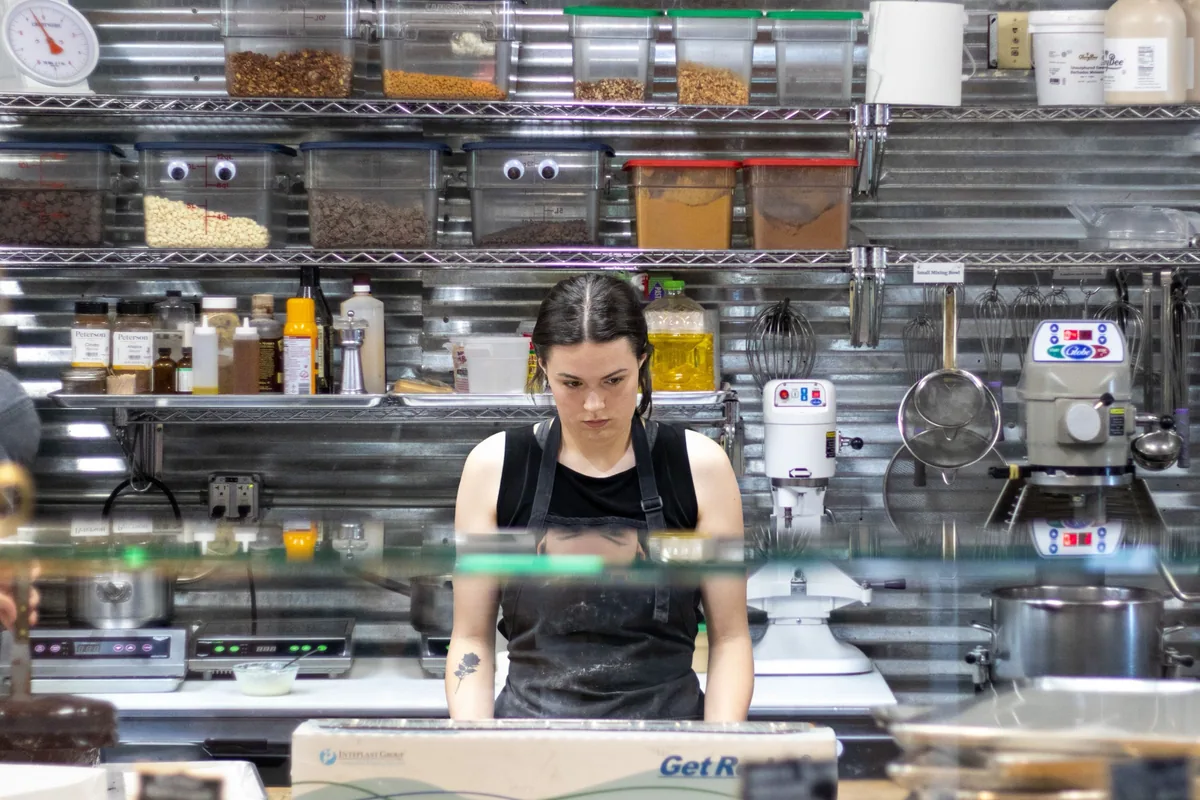
A kitchen receiving orders from the dining room, a takeaway counter and delivery platforms is serving several different expectations at once. A guest at a table may be waiting for the next course, a collection customer may already be outside, and a delivery order may have an agreed handover time. The food is produced in the same physical space, but the context in which it will be served is different.
Receiving all of these orders in one place is useful. It is only the beginning of coordinating the kitchen.
The order and its individual items
An order is a commercial transaction, while its preparation consists of several physical tasks. A single table may order dishes from the grill, cold section and bar. Each station needs to know which work belongs to it, while someone responsible for the service pass needs to understand the progress of the order as a whole.
Treating every order as a single task obscures that distinction. Treating every dish as an unrelated task creates the opposite problem, because the relationship between dishes can be lost.
The operating model needs to preserve both perspectives. A station should have a clear view of its own work, and the people coordinating service should be able to recognise when the relevant items are ready to leave together.
Time has a different meaning at each stage
Preparation time, waiting time and collection time describe different parts of the same experience. A dish may have been prepared quickly but remain at the pass while another item is finished. A takeaway order may be ready on time but wait for its courier. Combining these periods into one figure can conceal where a delay actually occurred.
Understanding the transitions between stages allows a manager to consider the appropriate response. A preparation bottleneck may require a change in station allocation. A collection bottleneck may instead require attention to the dispatch process. The distinction matters because the people and resources involved are different.
Balancing the workload
A queue is not a complete description of the work a station has to perform. Five orders consisting of simple items may represent less work than two orders requiring several preparation steps. A kitchen team needs enough context to understand the workload, rather than relying on the number of tickets as a measure of capacity.
The appropriate sequencing also depends on the service model. In a restaurant with courses, a station may need to hold an item until the table is ready for it. In a delivery-focused kitchen, preparation may be coordinated around the expected collection window. An order that appears earlier in a queue may not always be the next one that should be completed.
The service pass plays an important role here. Its responsibility is to coordinate the relationship between completed work and the point at which food should leave the kitchen. Information about preparation is useful to the pass only when it can be connected to that wider context.
A kitchen manager reviewing service should therefore be able to distinguish a station that is waiting for work from one that has completed work that cannot yet be dispatched. Both may appear idle from a distance, but the operational causes are different.
This understanding is useful when reviewing the allocation of stations, the composition of a menu or the way orders are introduced into production. It allows the team to discuss specific constraints rather than simply asking everyone to work faster.
Changes must travel with the order
During service, orders are modified. A guest may request a change, a particular ingredient may become unavailable, or an item may be cancelled after preparation has started. The people affected by the change need to see the revised information in the context of the original order.
The important question is whether the operation continues to share the same understanding of the transaction. A new message should not create a separate version of an order that staff then have to reconcile manually.
This principle shapes how we approach kitchen and fulfilment technology at BiteCloud. The order retains its identity as it moves through preparation and service, while each part of the operation receives the information relevant to its work.
The skill of a kitchen team lies in how it organises and prepares food under changing conditions. Technology should support that coordination without asking the team to manage another layer of administrative work during service.